

Game info
Platformer, Physics puzzle, Adventure
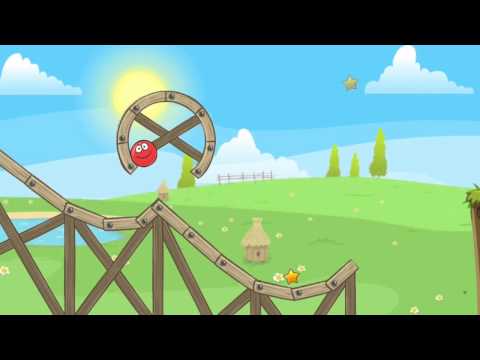
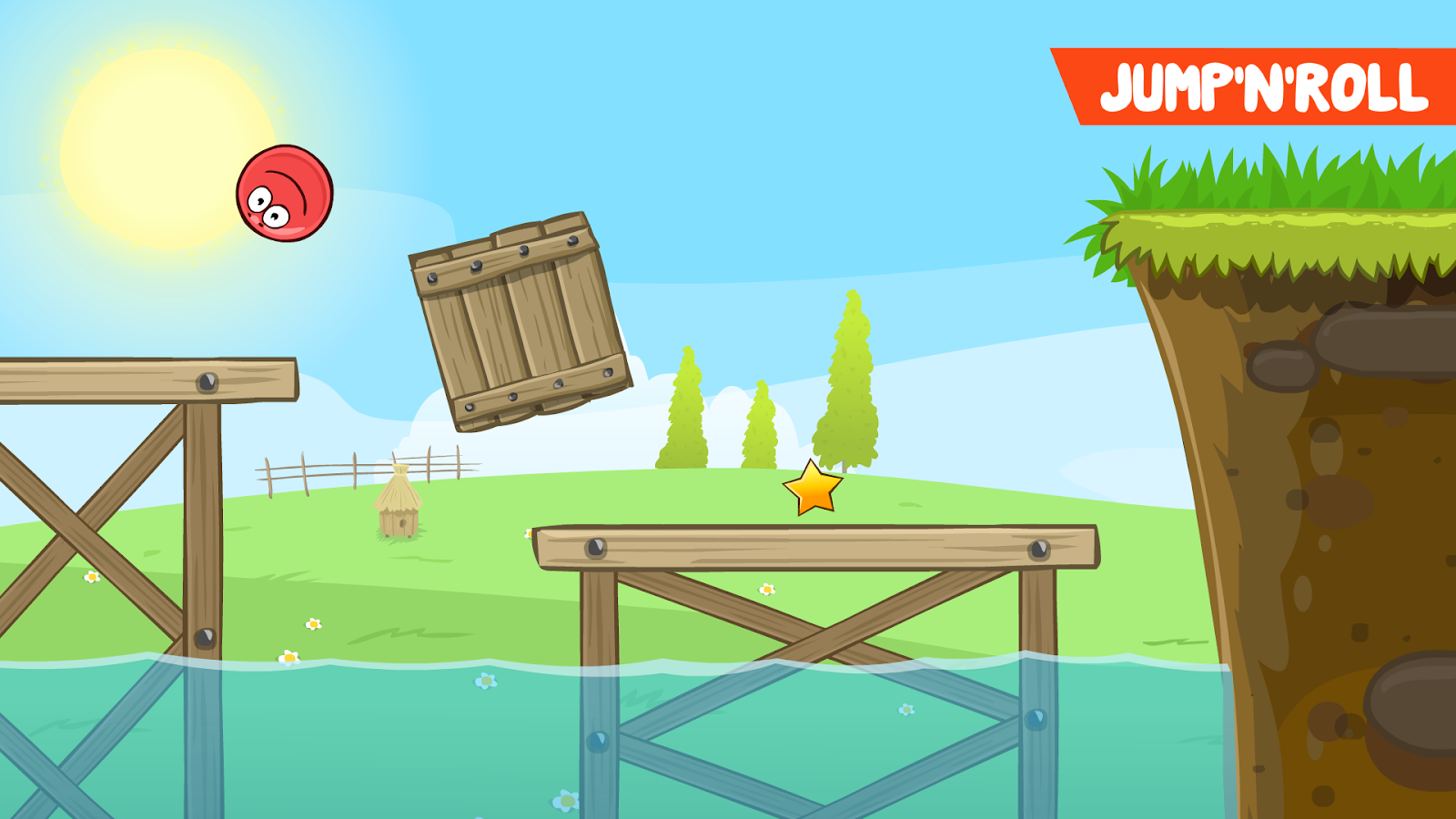
Red Ball 4 is a rolling-and-jumping platform game with physics obstacles, dangerous black squares and paths built around momentum. Movement has weight, so getting a box or a jump into position is often more important than moving quickly.
About Red Ball 4
Red Ball 4 is a rolling-and-jumping platform game with physics obstacles, dangerous black squares and paths built around momentum. Movement has weight, so getting a box or a jump into position is often more important than moving quickly.

Gameplay overview
Roll through a level, jump hazards and use objects in the environment to reach otherwise inaccessible platforms. Checkpoints divide the route into smaller problems. The original web volumes and mobile release do not necessarily have the same number of levels.
How to Play
Judge the landing before committing to the jump. A box can be a step, a weight or a barrier depending on its position. If an object rolls out of reach, consider whether a slower approach would keep it stable. At a checkpoint, study the next hazard instead of immediately repeating the same failed leap.
Controls
Browser volumes: arrow keys or WASD to roll and jump; use the runtime’s restart/pause prompts. on-screen directional and jump buttons.
Pro Tips
- Build momentum only when there is room to stop.
- Move a physics object into place before attempting the platform above it.
- Use checkpoint retries to test one timing change at a time.
- Keep mobile level counts distinct from the three classic web volumes.
Making Better Decisions
Physics puzzles are easier to understand when the moving object and the destination are treated as one problem. Push a box slowly enough to stop where it will be useful, then decide whether it needs to stay still or move with the ball. If a platform slopes, consider where gravity will take the object after you leave it. On a jump, the distance gained before take-off matters as well as the moment the jump key is pressed. A long run-up can help cross a gap but make a narrow landing less controllable. Use a checkpoint to compare a cautious approach with a faster one. Repeating the same full-speed input rarely explains why a puzzle failed; changing the approach reveals the useful timing.
Features, Modes and Progression
Classic web volumes are documented separately from FDG’s mobile game. Ruffle can run some original Flash builds, but emulator compatibility must be checked by playing rather than by an HTTP response.
Plan the landing before the jump
A moving platform, an enemy and a narrow ledge each change what a good jump looks like. Start by deciding where the ball should finish. Then judge whether the approach gives you the movement needed to reach that surface. A successful gap crossing can still leave you poorly positioned for the next obstacle. If the same jump fails repeatedly, compare the take-off position and the expected landing instead of simply pressing jump sooner on every attempt.
Use objects as part of the route
When the stage introduces an object you can move, test its behaviour before committing to a fast sequence. Watch whether it changes a path, supports a landing or creates another opening. Try one change at a time so the result is understandable. A puzzle becomes easier to solve when you can explain what the object is doing rather than only noticing that it moved.
The red hero, square enemies and a physics adventure
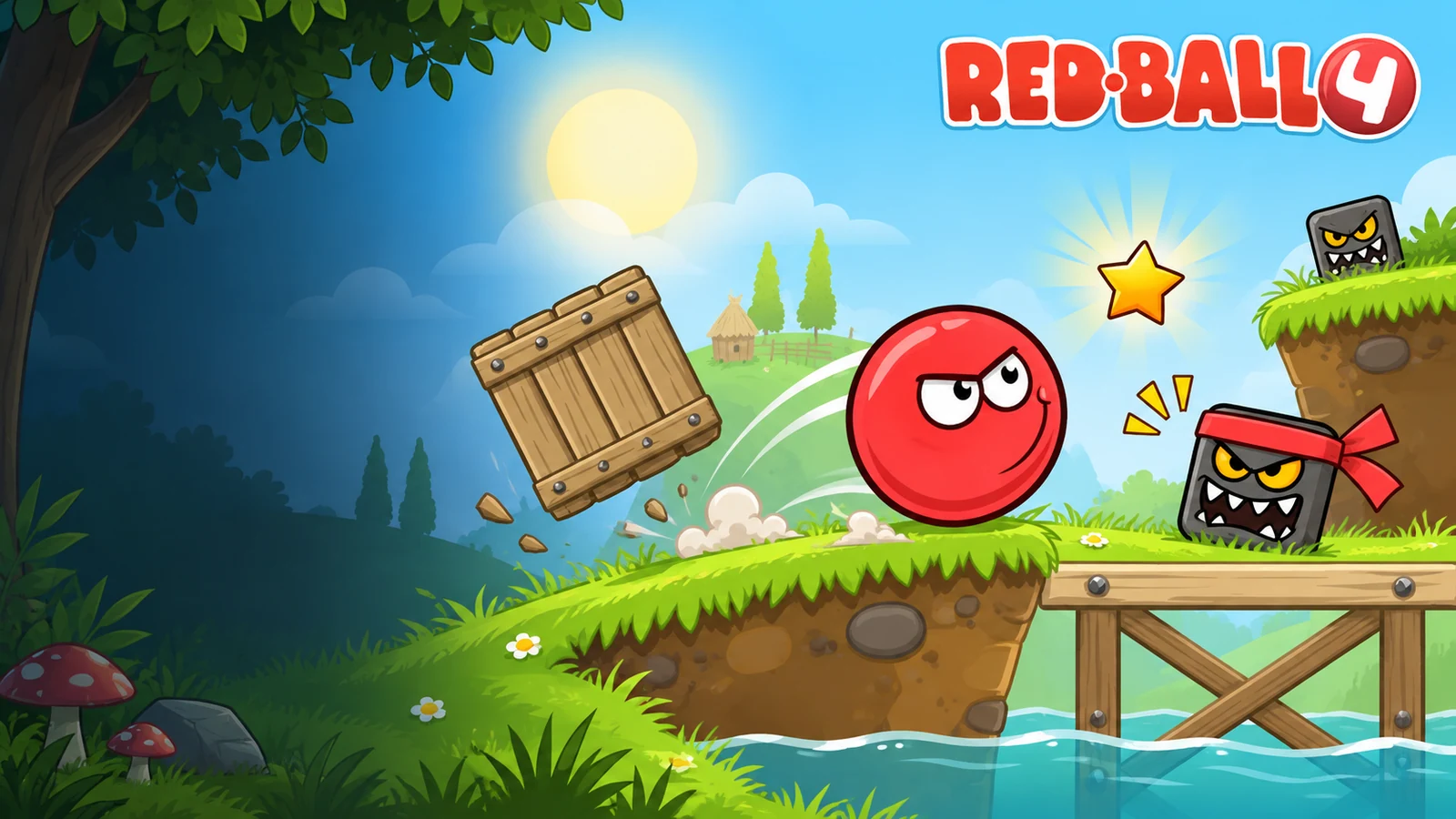
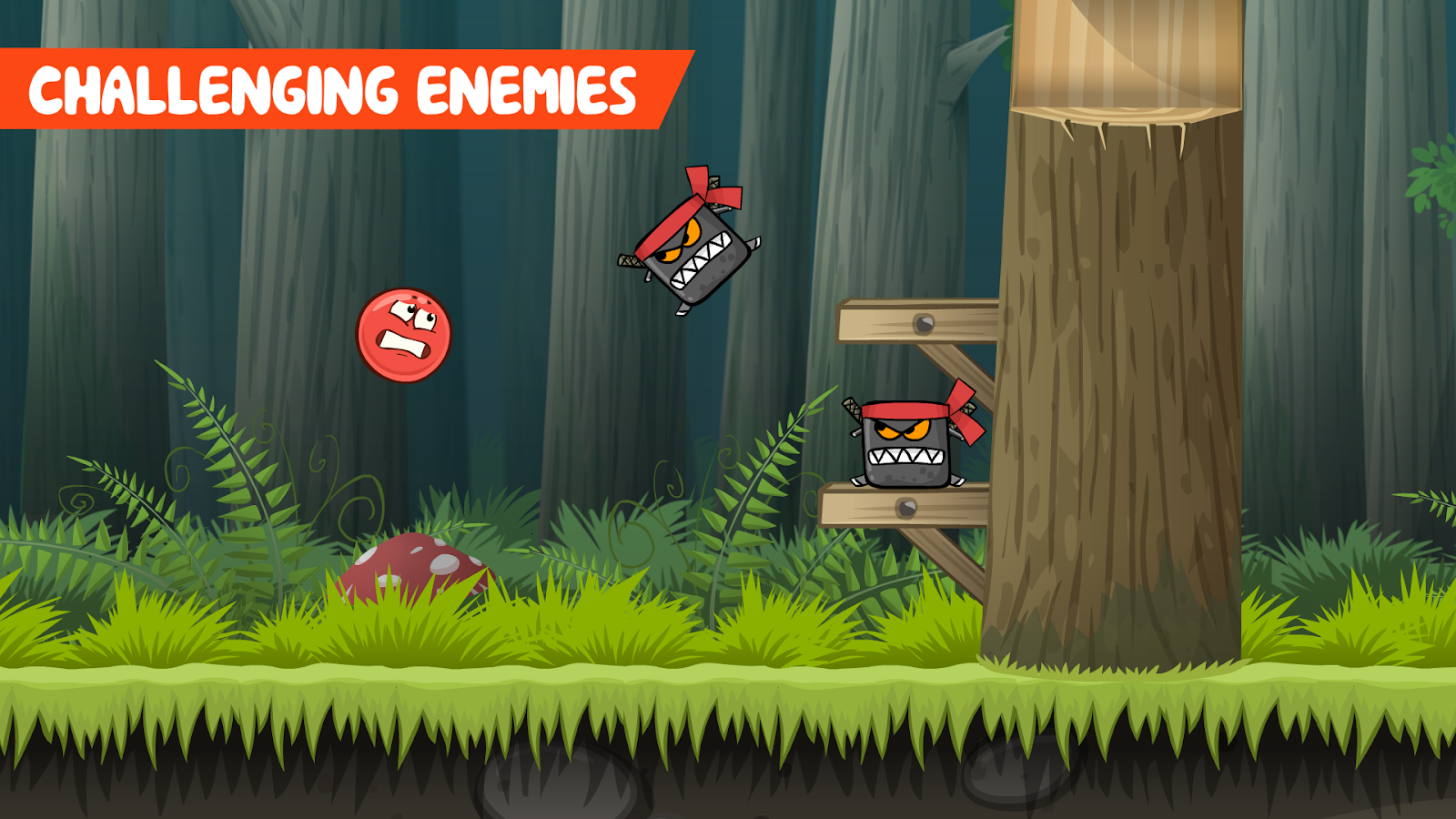
Red Ball 4 gives its rolling platformer a clear cartoon conflict: square-shaped enemies threaten to turn the world into their own shape, and the red ball sets out to stop them. The contrast makes important objects readable. The hero rolls and bounces, while the enemies and level machinery create problems that need timing, positioning or a movable object.
FDG's published original describes a 75-level adventure with physics elements and boss encounters. That is useful context for the mobile game, rather than a promise that every browser player contains the same complete level set. The enduring movement ideas are rolling, jumping, landing and using the terrain to create the next route.
Physics objects and boss encounters add variety
A movable object changes the puzzle from simply reaching a platform to making a platform or route useful. Watch whether a box or other object affects height, access or balance. A controlled push gives a clearer result than colliding at full speed and then guessing which part of the movement caused the change.
Boss encounters introduce a larger pattern to observe. Notice where safe ground remains and when the threat creates an opening. The same landing-first approach used in an ordinary stage still matters: a successful response should leave the ball able to handle the next action. The official release also lists controller support, but the selected player's actual inputs should always be checked. Familiar character art does not establish identical physics or device support across every implementation. Learn the current movement response and let the original game's clear shapes make the next decision easy to recognise.
Rolling speed and the shape of a jump
Red Ball 4 is a platform game in which the hero's round shape makes momentum part of the puzzle. Rolling towards a gap creates a different jump from starting almost at rest. Before crossing, decide where the ball should land and how much room remains afterwards. Reaching a platform is not the whole problem if the remaining movement immediately carries the ball towards another hazard.
Use a familiar opening stretch to compare a short roll, a longer approach and a jump made near the edge. Watch the landing rather than only the take-off. If the same gap causes trouble, change one part of the approach. Jumping earlier on every attempt can hide whether the actual problem is too little movement, too much movement or an awkward landing position.
Boxes and objects are parts of the level
Movable objects give Red Ball 4 more variety than a sequence of gaps. A box can change the reachable height or the shape of a route. Approach it carefully enough to see how it responds to the ball. A small push can be easier to understand than a full-speed collision that leaves the object somewhere unexpected.
Before moving an object far from its starting position, look for what it could help reach or operate. The puzzle is often the relationship between the object and nearby terrain. Try to explain the change you want: a higher step, a bridge-like surface or access to another area. That explanation gives the next push a purpose and makes it easier to recognise when the object is already in a useful position.
Dealing with square enemies and moving hazards
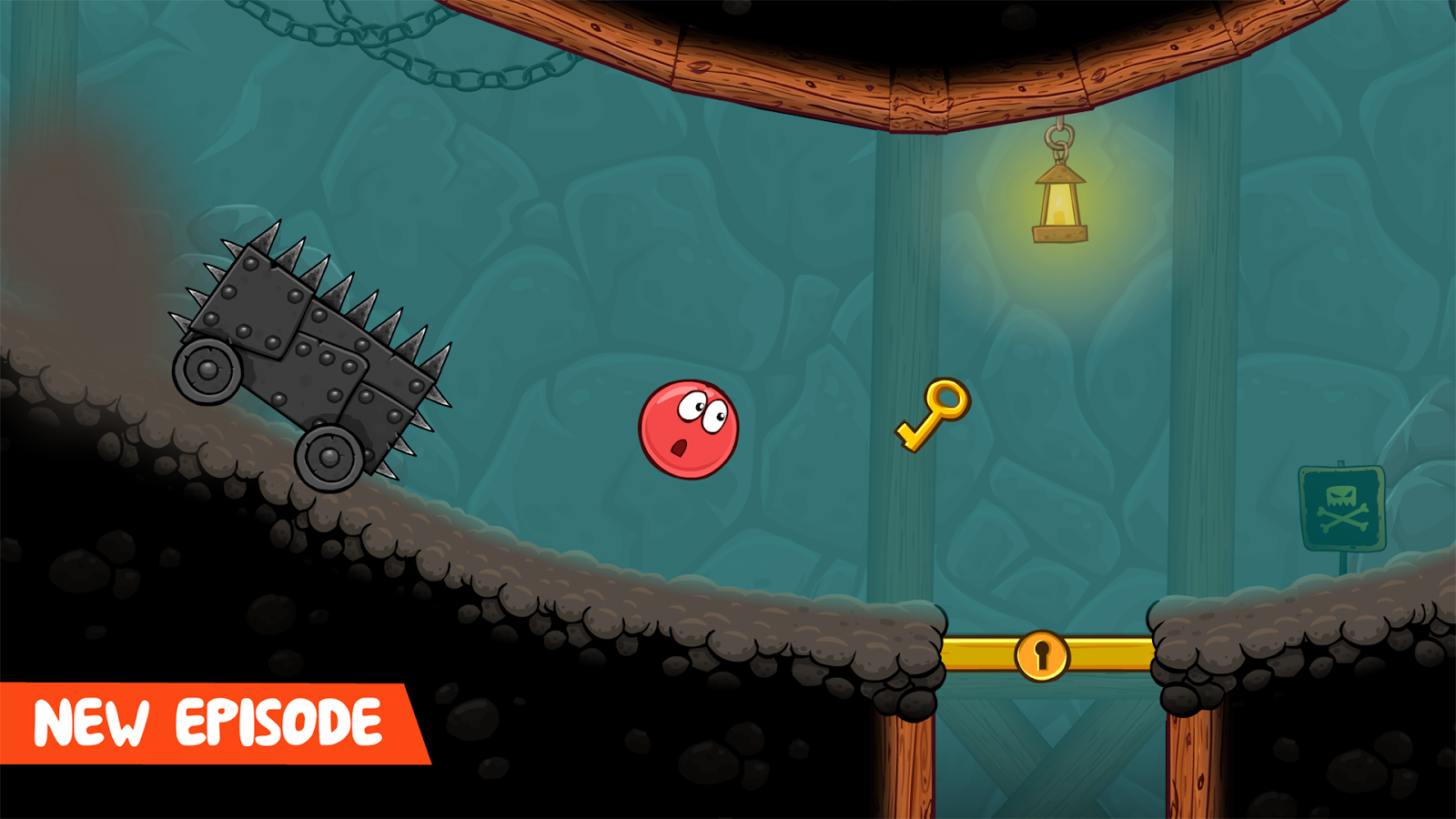
The game's square enemies and traps require different responses from ordinary terrain. Observe the movement pattern before committing to a jump. A clear route at the start of the approach may not remain clear at the landing. Look at where the enemy will be when the ball arrives, and avoid following a successful attack immediately into the next hazard.
When a moving platform or timed trap is involved, give yourself a place to wait. Starting the sequence from a controlled position makes the timing easier to compare. If the ball never stops moving, a failure may feel random even when the pattern is repeatable. A short pause can turn a difficult reaction into a planned movement.
Checkpoints, stars and what the current attempt is for
A checkpoint lets you approach a difficult section as a smaller problem. Use the restart to compare the same obstacle under similar conditions. If an optional collection route is causing repeated failures, decide whether this attempt is for collecting or for reaching the end. Keeping those aims distinct helps explain why a safer route can be the right choice even when another reward remains visible.
Collection can be revisited after the main movement is understood. A route that was too awkward while learning a stage may become practical once you know the landing positions. Do not assume that every star requires the fastest possible input. Sometimes the useful change is a slower approach that preserves the right position for the following jump.
Boss encounters and practising a repeatable response
When a stage introduces a larger encounter, watch the sequence before attacking repeatedly. Notice when the threat moves, where safe ground remains and when a response is possible. A dependable opening can be more useful than trying to shorten the encounter with a risky extra action. Apply the same landing-first thinking used in ordinary platform sections.
For practice, choose one obstacle and describe the successful movement in plain terms: roll to a landmark, wait for an opening, jump and leave enough room to stop. Repeat that sequence before adding the next action. A reliable sequence is not about pressing every key faster. It is about recognising the same useful moment and arriving at it in a position you can control.
Red Ball 4's official game and platforming alternatives
FDG Entertainment's Red Ball 4 page describes the original adventure and its physics-based platforming. The store links below lead to the published mobile game. Individual releases and browser levels can present different menus, so use the controls shown by the current player when choosing an input or restarting a stage.
The related games offer more rolling, jumping and physics puzzles. Choose a close alternative if you want to practise reading landings, or a different platformer if you prefer faster movement over object manipulation. Red Ball 4 remains appealing because its controls are easy to start using while the terrain keeps asking new questions about balance, timing and where a jump should finish.
Worked example: reaching a platform but missing the next step
Suppose a jump clears the gap but leaves the character or ball moving towards the far edge. The crossing succeeded, yet the position after it is difficult. Compare a shorter approach with the previous take-off, and watch the landing rather than only the height of the jump. The useful change may be momentum before leaving the ground rather than a later correction in the air.
Repeat the comparison on a familiar surface. Keep the intended destination the same so the effect of the approach is clear. Then inspect the next obstacle from the new landing position. A route becomes dependable when one movement leaves a sensible starting point for the next. That is more useful than treating each gap as an isolated test of reaction speed.
Worked example: an optional object beyond the safe line
A reward can invite a route that is not necessary to complete the stage. Decide whether the current attempt is for learning that route or for reaching the exit. Both are legitimate goals, but they create different priorities. A first visit may be more informative when you learn the main crossing before combining it with an optional collection challenge.
When an object can be moved or activated, observe the result of one small interaction. Notice whether it changes a landing height, opens access or alters the timing of the route. Try to describe that effect before making another large change. Several uncontrolled interactions can make the puzzle harder to understand without proving that the original idea was wrong.
Checkpoints are opportunities for comparison
Use a restart near a difficult section to repeat the same question under familiar conditions. Change one part of the approach and keep the successful parts steady. If the game does not provide a nearby checkpoint, practise the opening until it requires less attention; that leaves more concentration for the unfamiliar section. Confirm the selected player's actual jump and movement inputs instead of assuming every platformer has the same physics. A comfortable view of the destination and a clear control response let the level's timing remain the challenge.
Related games
Frequently asked questions
Why does the ball overshoot a platform?
Momentum continues after movement input; slow down before the edge and judge the landing zone.
Are all Red Ball 4 versions identical?
No. Classic web volumes, mobile releases and independent remakes have different content and credits.
Who develops or publishes Red Ball 4?
FDG Entertainment GmbH & Co.KG
Which controls should I use?
Browser volumes: arrow keys or WASD to roll and jump; use the runtime’s restart/pause prompts. Native: on-screen directional and jump buttons.
Is the browser player the exact original game?
Red Ball 4: Vol. 1, Part 2 and Vol. 3 are related original web chapters. A browser remake or bounce-ball clone should not inherit the mobile game’s publisher credit automatically.
Is it free?
The observed Google Play listing is free to download and offers in-app purchases. A browser alternative has its own provider terms and may include adverts.
Can I use my official account or saved progress in a browser alternative?
No account, purchase or save transfer is established unless the developer explicitly documents it for that build.
What games should I try next?
Compare Red Ball 4, Red Ball platformer, bounce ball, physics platform games. The related list prioritises shared mechanics and preserves each game’s real identity.
Good game? Tell us.0
Share a tip, celebrate a high score, or tell us what you think. Keep it friendly.